



Anti-obesity medications such as Ozempic, Wegovy, Mounjaro, and Zepbound have rapidly moved from niche diabetes treatments to widely discussed options in both the US and the UAE. Their popularity stems from proven effects in sustained weight management and improvement in obesity-related conditions, including cardiovascular health and sleep issues.
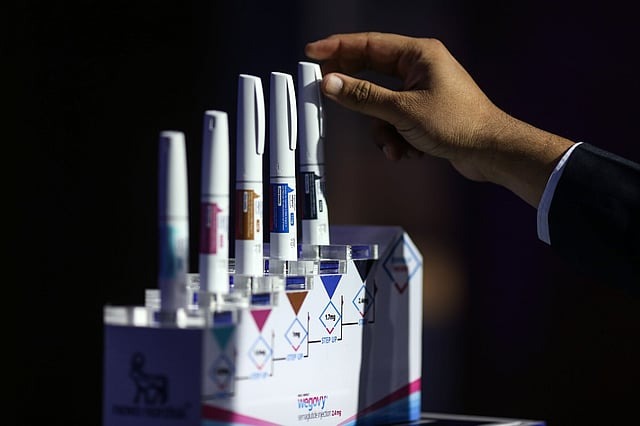
Clinics from Dubai to New York report that GLP-1 medications have become a central part of obesity management. However, the surge in demand has created challenges around pricing, supply, and regulation. While the US market faces downward pressure on prices, UAE buyers continue to encounter high costs and limited availability.
Price Reductions in the US
In the United States, prices for leading weight-loss drugs like Ozempic and Wegovy are falling significantly, influenced by policy changes, competition, and broader coverage programs. Medications that once exceeded $1,000 per month (Dh3,670) are now available at lower costs, with upcoming oral and injectable options priced as low as $149 per month (Dh547) for eligible patients under government programs.
Existing injectables such as Wegovy and Zepbound are also being repriced. On federal platforms, monthly costs initially sit around $350 (Dh1,285) but are expected to fall to $245 (Dh899) over the next two years. These changes aim to expand access for millions of beneficiaries while encouraging more widespread adoption.
Current Situation in the UAE
By contrast, GLP-1 drugs remain largely out-of-pocket expenses in the UAE, with insurance coverage typically limited to diabetes or specific metabolic conditions. Prices vary by medication and dosage:
Ozempic pens range from Dh740 for lower doses to over Dh1,100 for higher doses.
Mounjaro pens are generally priced above Dh1,700.
Wegovy remains limited in availability, with prices reflecting demand and supply rather than broad competition.
Healthcare professionals in the UAE report continued strong interest in these medications, driven by their effectiveness in weight management and obesity-related health improvements. Early demand was fueled by off-label use of diabetes medications, amplified by social media, which led to temporary shortages and stricter controls to prioritise diabetic patients.
Looking Ahead: New Medications and Regulatory Pathways
The US introduction of a once-daily oral version of Wegovy highlights the potential for easier administration and broader adoption. In the UAE, availability depends on local regulatory approvals from the Ministry of Health and Prevention and the Dubai Health Authority. New products often require prior approval in Europe, meaning several months may pass before they reach UAE patients. Pricing for these new options will only be determined following official approval.
Will UAE Prices Follow the US?
While US pricing is being influenced by policy, coverage, and competition, UAE costs remain tied to supply limits, regulatory pacing, and insurance coverage. Current monthly prices in the UAE can still exceed Dh1,000, highlighting a substantial gap compared with the US.
Whether a US-style reduction in costs reaches the UAE will depend less on global trends and more on local factors such as regulatory approvals, insurance frameworks, and supply stability. For now, UAE patients must navigate high prices and limited availability, even as the global conversation around anti-obesity treatments evolves rapidly.
Advertisement
Advertisement


Advertisement
Advertisement


Advertisement
Advertisement


Advertisement


Advertisement